

As the day one of the September (18 and 19th), 2025 Advisory Committee on Immunization Practices (ACIP) meeting commenced, the new members shuffled into their seats along two long white pull-out tables, with a shorter table positioned in the middle. The middle table is intended for their then leader, Dr. Martin Kulldorff (ACIP chair), co-author of The Great Barrington Declaration, and Dr. Mina Zadeh (ACIP Executive Secretary).
Watching them walk in on the video recording, I am reminded of years I spent at that particular US Centers for Disease Control and Prevention (CDC) campus as an Oak Ridge Institute for Science and Education (ORISE) fellow and then full-time employee for the US Agency for Toxic Substances and Disease Registry (ATSDR). I can almost smell the coffee from the cafeteria and feel the warmth of the early morning sunlight that streams through the large, awesome windows of the building they are meeting in. I can feel the nervousness in my own body as a phantom anxious tummy, the one that always comes on presentation day. I feel the excitement, the pride of service, the camaraderie of public health, the esprit de corps. I feel the sense of purpose in my chest: the warm feeling of being a part of something more than oneself; serving a common goal of preventing and controlling disease; and protecting our individual and collective health. But as I watch the introductions, these emotions wash away.
The committee members’ introductions, against the backdrop of the morale I just described, feel like recurring, discordant notes in a melody. The standard lauding of current and past accomplishments follow the names, but then statements that stand out to me: Dr. Evelyn Griffin concludes her introduction by saying she is “pro-informed consent because of medical ethics for discussing risks, benefits, and alternatives”—which we all are—then states she was “COVID vaccinated.” Dr. Joseph Hibbeln, a psychiatrist, states boldly that he is there because of the “immense mental health aspects of vaccinations and diseases,” brags about his impact factor, and proclaims himself as a “neutral mind toward vaccines,” who is “approaching this with scientific equity.” Dr. Retsef Levi is late. It sounds like Dr. Zadeh asks Dr. Robert Malone to introduce himself (his name was next on the slide showing the order of introductions) as they wait for Dr. Levi, but Dr. Kirk Milhoan anxiously jumps in instead, perhaps hearing “Malone” as “Milhoan.” He states he “care[s] for many suffering from post-vaccine syndrome.” Dr. Robert Malone then shares his own background, adding a comment about receiving secret Department of Defense clearance in the middle of it.
Dr. James Pagano speaks of all the vaccines his patients and himself have gotten, including the COVID-19 vaccine, stating he’s “not anti-vax,” but rather “pro-the intelligent and informed utilization of these potentially lifesaving medications in a manner that reflects the current state of the art regarding their benefits, the target populations, optimal dosing and timing, and yes, potential adverse effects.” Dr. Vicky Pebsworth recounts her experiences as a nurse, where she “gave lots of vaccines,” her experience on other vaccine panels such as FDA’s VRBPAC, and her experience as a peer-reviewer for a couple of journals—the names of which she does not mention. Another jarring note rings out as she notes her status as a volunteer director of the National Vaccine Information Center, the oldest prominent anti-vaccine organization in the US. Dr. Levi shows up late and least qualified. There are no conflicts of interest (COIs) stated with this group (although the members were not all equally asked to disclose during their introductions)—that is good.
My unease during these introductions is something that makes many anonymous Twitter users happy. The bitch bureaucrat. Someone who is “petty because I lost my undeserved job.” The Big Pharma shill, who mysteriously never seemed to receive those supposed Big Pharma dollars. I am sure the money just got lost in the mail.
And none of this, on its face, should make me feel uneasy. These new members just want informed consent, scientific equity, “alternates,” to represent “neutral minds”— they’ve all given lots of vaccines to patients, after all. They’re not “anti-vax,” they’re “pro-the intelligent and informed utilization of these potentially lifesaving medications in a manner that reflects the current state of the art regarding their benefits, the target populations, optimal dosing and timing, and yes, potential adverse effects.” How could any of that be bad? Well, it is not. But people do not always mean and do what they say. The anti-vaccine movement has its own dog whistles and my hearing is adapting to their frequency.
The ex-officios are introduced next. Representatives from the Centers for Medicare and Medicaid Services (CMS), Health Resources and Services Administration (HRSA), Indian Health Service (IHS), National Institutes for Health (NIH), and Food and Drug Administration (FDA). Next, the liaisons—these are the external institutions, generally medical associations, that used to be able to be able to serve as non-voting, discussion-only ACIP workgroup members, but were disinvited from doing so in August 2025. American Academy of Family Physicians, Physician Associates, Nurse Midwives, Nurses, others, are all present. American Academy of Pediatrics (AAP), American Geriatrics Society, International Society for Travel Medicine, and National Medical Association representatives are absent. Both AAP and now the American College of Obstetricians and Gynecologists (ACOG) no longer attend ACIP meetings due to their delegitimization.
I believe Dr. Kelly Goode, speaking for the American Pharmacist Association makes a bold (Author’s note: badass) comment in addition to her introduction, stating how pharmacists and pharmacist associates are the most accessible health professionals for the US public to receive vaccines from (nearly 90% of COVID vaccine doses from the 2024-2025 season nationally were given at pharmacies, according to the CDC) and her “Association looks forward to hearing science-driven, evidence-based recommendations in this meeting.” The liaison for the Society for Adolescent Health and Medicine goes “off-script” and asks for the same.
After the external partners go, our leader Kulldorff makes a statement. He addresses the new members of the committee, but then addresses the public watching the video recording at home, making an incendiary statement about one of the absentees. He breaks the fog of vague, vaccine-skeptical, and partisan language with this statement, his blonde hair gleaming yellow in the fluorescent light:
A war with the American Academy of Pediatrics (AAP)
We are currently experiencing heated controversies about vaccines, and the key question is: who can you trust?
Here’s my advice: when there are different scientific views, only trust scientists who are willing to engage with and publicly debate the scientists with other views. With such debates, you can weigh and determine the scientific reasoning by each side, but without this, you cannot properly judge their arguments.
For this reason, I lament that the American Academy of Pediatrics (AAP) has ended their participation as a liaison member of this committee. Neither have they accepted my invitation for an open, public debate on vaccines, with equal time for each, nor an invitation for private conversations.
“Nobody spoke to us about their concerns”
A few weeks ago, the CDC director was removed and three members of the CDC leadership resigned, citing divergent opinions about vaccines.
On vaccines, this committee is the key advisor to the CDC director, but during her short tenure, she never contacted me, as the ACIP chair, about any of her questions or concerns, which would have been natural if she had such concerns. Neither was I contacted by any of the three CDC directors who subsequently resigned, except for receiving a suggestion from Dr. Daskalakis (NCIRD) during the June ACIP meeting, which we adopted. Of the four, Dr. Jernigan (NCEZID) has done important research on influenza vaccines, but the others are not vaccine scientists. Why would these CDC leaders ignore us instead of seeking advice from fellow scientists who have spent decades studying vaccines? With other CDC staff, I’ve had frequent and excellent interactions since I’ve become the chair of this committee, as well as going 20 years back working with CDC. Some are very good, and the rest, they are fantastic. All are hardworking and I cannot thank them enough for the work they are doing (Author’s note: agreed!).
After the four CDC leaders departed, nine former CDC directors wrote an op-ed in the New York Times, falsely claiming that members of this committee are “unqualified individuals with dangerous and unscientific views” (Author’s note: the former directors’ claim is true).
This committee has a wide variety of vaccine expertise, other committee members have already described their own credentials—as a professor at Harvard Medical School, I developed epidemiological and biostatistical methods for post-market vaccine safety studies that CDC already uses, including three methods used for [a] CDC presentation at our last ACIP meeting in June. I have authored dozens of scientific articles on vaccines, with vaccine scientists at CDC, FDA, and leading universities. I am endeared to think my contributions to vaccine research is highly regarded by my colleagues.
Since we authored the same scientific articles, are my co-authors also unqualified and unscientific vaccine scientists? Of course not. The majority of our many vaccine safety studies did not find problems with vaccines, so by dismissing us as unscientific, the former CDC directors are de facto questioning not only us and our scientific research, but they are also questioning the safety of many childhood vaccines that we have shown to be safe (Author’s note: is this textbook gaslighting?). The fact is that we are honest vaccine scientists that let the data speak whether the results read in one direction or the other. That is always how science should operate.
Next comes the personal gripe from 2020/2021, which many health appointees under this current administration seem to have, hold on to, and mention frequently.
There is a desire to now exact revenge for being either overlooked, dismissed, or criticized (they say “insulted”) for their often outspoken, harmful—but not always, I’ll get to that in Part III—views during the height of the COVID-19 pandemic (Author’s note: Many deny this motive, but continue to fixate on five- to six-year-old disagreements in speeches or on their personal Twitter accounts and podcasts).
The J&J vaccine & a rare genetic mutation
In April 2021, when CDC instituted a pause on the Johnson and Johnson vaccine (J&J) against COVID, despite a vaccine shortage during the middle of a major COVID wave, I was the only vaccine scientist to publicly object to that decision—one that I believe led to unnecessary death among older Americans.
After witnessing blood clots in post-vaccination young women, it was reasonable to advise them to take another vaccine, but the decision to remove the J&J vaccine for all ages must be seen as one of the most disastrous vaccine decisions ever made by CDC (Author’s note: Public health has since found out why this happened—it was a rare outcome resulting from a genetic mutation. The articles linked are about Oxford AstraZeneca’s vaccine in relation to this—the J&J vaccine uses a similar mechanism, as it is an adenovirus vaccine. It was likely explained to Dr. Kulldorff,
Because of my public objection, I was fired from the CDC committee that was monitoring the safety of COVID vaccines, but four days after firing me, CDC lifted the pause, as I had suggested. At this time, I was clearly one of the most pro-vaccine scientists in the country, while becoming the first person fired by CDC for being too pro-vaccine, simply because I chose to debate the science rather than go along with the crowd.
“Pro-vaccine”
As this committee clearly stated at this last meeting, we strongly support the use of vaccines. At our last meeting, all our decisions were pro-vaccine. This includes the vote to remove mercury from vaccines. Mercury is a known toxin, just like lead and cigarette smoke, and we should minimize exposure to such toxins, as the effect is cumulative (Author’s note: I am going to go into a deep dive below on mercury and why thimerosal in vaccines is not a health concern—but do you know what is? Mercury in the air and in our food supply).
If you had to choose between buying similar hot dogs, with or without mercury, for your kids, raise your hand if you’d take the mercury-containing hot dogs.
Nobody would?
FDA has banned mercury from beauty products such as skin creams and soaps. Vaccines are more important than cosmetics. Since there are equally good mercury-free vaccines, removing mercury has only positive public health consequences while increasing the integrity and trust in the vaccine program.
One of the CDC leaders that resigned cited our vote to remove toxic mercury from vaccine [sic] as the reason for his resignation. I found that surprising.
In contrast to that, I want to take this opportunity to thank the many mothers and fathers, who over many years have fought very hard to remove mercury from vaccines. You have falsely been called anti-vaxxers, but your stance is not only pro-children, but pro-science, pro-public health, and pro-vaccines. The members of this ACIP committee are committed to reassuring the public and restoring public confidence by removing unnecessary risk and harms whenever possible. That is a pro-vaccine agenda.
Foreshadowing the US unilaterally changing its childhood vaccine schedule to match Denmark’s
While all western countries recommend important vaccines such as the one against measles, there is a wide variety in the recommended vaccine schedules. This does not make some countries anti-vaccine countries. The votes that we will take at this meeting falls well within the national variability seen between countries.
We welcome scientific critique of any of our votes, as there are grey areas and incomplete scientific knowledge (sic ?), but false accusations that we and other respectable vaccine scientists are unscientific and dangerous anti-vaxxers — that just adds legitimacy to anti-vax positions, damaging both public health and the confidence in vaccines. Such false accusations are only logical if the purpose is political.
He then invites the fired and resigned leaders to a public debate and closes his speech.
That debate never happened, but since this speech, several legitimately anti-science, anti-vaccine actions have been taken by ACIP.
In this article, I will summarize those actions (lies) and why they are in fact anti-scientific, anti-public health, and yes, anti-vaccine. Then, in Part III, I will talk about the lack of public trust in public health and why RFK Jr. must resign in order to save lives.
Use the information below to win arguments and change the world. I believe in you.
Presenting: RFK Jr., Trump’s, and ACIP’s lies vs. the truth
Thimerosal in vaccines
In ACIP’s first meeting, the committee voted on and passed a recommendation to remove the preservative thimerosal from influenza vaccines. This was a largely symbolic decision for several reasons.
First: what is thimerosal and why is it in vaccines? Thimerosal is a mercury-based compound used in certain vaccines as a preservative that kills and prevents the growth of dangerous fungi and bacteria. It is most needed for multi-dose vials to ensure that the vaccines remains uncontaminated and safe each time a needle enters the vial. It is also especially helpful in, or in transit to, areas without strict refrigeration for vaccines.
Second: prior to this 2025 recommendation, thimerosal had already been removed from or reduced to trace amounts in every single vaccine on the childhood vaccine schedule except for some multi-dose vials of the annual flu vaccine. Following a 1999 review on cumulative mercury exposure in infants mandated by the US Food and Drug Administration (FDA) Modernization Act of 1997, vaccine manufacturers and public health agencies agreed to remove thimerosal from childhood vaccines as a “precautionary measure.” The review found no real-life evidence of harm caused by the levels of thimerosal in the vaccines, other than localized hypersensitivity reactions like swelling and redness near the vaccination site.
In the 1999 review, scientists compared potential mercury exposure from the childhood immunization schedule against guidelines that are set by the US CDC, the Agency for Toxic Substances and Disease Registry (ATSDR; Author’s note: shoutout to the family), FDA, and the World Health Organization (WHO). The review concluded that in the first six months of life, a child following the recommended schedule would receive a cumulative dose of mercury that exceeded EPA’s safety limit at that time for methylmercury (CH3Hg) (Author’s note: sometimes called “environmental mercury”; it is highly toxic and persistent; it bioaccumulates in tissues, and classically biomagnifies in fish).
The mercury math
In 1999, there were no specific safety guidelines for ethylmercury (C2H5Hg) (Author’s note: does not bioaccumulate or persist in the body like methylmercury; 10 times faster clearance), which is the exact type of mercury that breaks down from thimerosal in vaccines, so the much more stringent methylmercury guidelines were used as a conservative proxy.
The review calculated that infants would receive up to 187.5 micrograms (μg or mcg) of mercury (at 2 month visit, child received 62.5 μg/kg, milligrams per kilogram, cumulative; 12.5 μg/kg on that day) from the three doses each of DTaP (Diphtheria, Tetanus, Pertussis vaccine), Hib (Haemophilus influenzae type b vaccine), and hepatitis B vaccines combined. Due to the federal strategy and health goal of reducing mercury exposure from all sources, the US Public Health Service and AAP issues a joint statement in July 1999 recommending that thimerosal be removed from these vaccines as a precautionary measure to maintain the public’s confidence.
EPA methylmercury limit vs. ethylmercury dose: The 12.5 μg/kg maximum daily dose of ethylmercury received across the 6 months of vaccines exceeded the 0.1 μg/kg/day limit for methylmercury. The EPA reference limit includes a 10-fold safety factor, making it the most conservative.
FDA, ATSDR, and WHO methylmercury limits vs. ethylmercury dose: The dose exceeds the FDA 0.4 μg/kg/day limit, ATSDR 0.4 μg/kg/day limit, and WHO 0.47 μg/kg/day limit, however, these agency limits were not concerned violated because ethylmercury and methylmercury behave very differently in the body, such as their aforementioned clearance (half-life). Additionally, the FDA, ATSDR, and WHO limits designed for chronic oral ingestion over a lifetime and are not intended to evaluate intermittent exposures like those from the pediatric vaccine schedule.
WHO directly states that because of the metabolic differences between methyl and ethylmercury, its Global Advisory Committee on Vaccine Safety (GACVS) reviewed the data and concluded that chronic dietary limits for methylmercury should not be applies to ethylmercury exposures.
The 2025 ACIP decision was largely performative because, again, after this thimerosal was removed from most childhood vaccines and the preservative was already voluntarily eliminated from approximately 94 to 96% of the US vaccine supply in the 2024-25 flu season, leaving on multi-dose vials.
Here are two of my heroes, Dr. Jodie Guest from my alma mater, Emory Rollins School of Public Health, and Dr. Amesh Adalja, from Johns Hopkins Bloomberg School of Public Health, say the same thing about about thimerosal here.
MMR + V vaccines
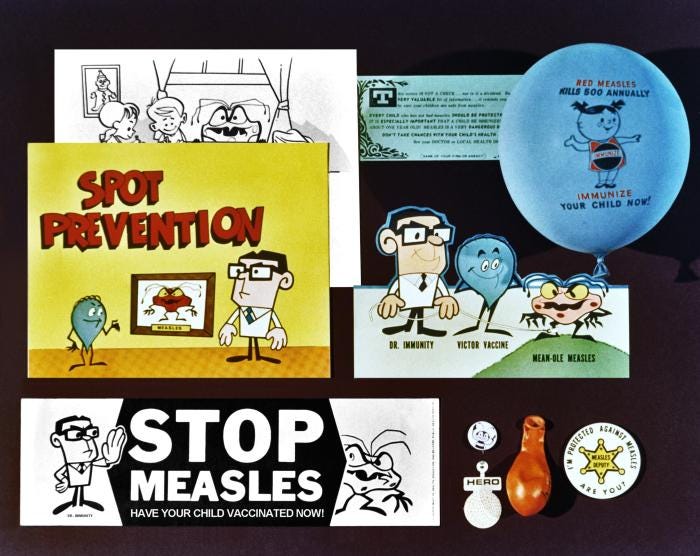
Another highly performative change (although less-so than thimerosal) made by the new ACIP committee is recommending that the measles, mumps, and rubella (MMR) vaccine be given separately from the varicella (chickenpox) vaccine, rather than administering the combined MMRV vaccine.
Once again, the CDC has softly recommended this separation since 2010. The reason for this the first dose of the MMRV in toddlers (12-23 months old) is associated with a slightly higher risk of febrile seizures: an approximately two-fold increased risk of febrile seizures 7 to 10 or 5 to 12 days after receiving the MMRV shot compared to the separate shots for this age group (5 extra out of 10,000). However, the combined MMRV is considered safe and acceptable as a second dose (at 4-6 years old) or for the first dose if the child is 48 months or older, as the seizure risk disappears in older children. ACIP’s only change here is an official recommendation of using separate shots over the combined vaccine for children aged 12 months to 3 years for their first dose.
Measles returns from elimination
In October 2025, I wrote an article on this platform that was focused on determining whether the US would lose its measles “elimination status” by January of 2026.
I used the definition of measles elimination—the absence of large outbreaks (>50 outbreak-associated cases) and continuous, uncontrolled domestic transmission, spread of disease, for greater than 12 months (>12 months)—and reviewed the case data at that time, using the same benchmarks that were used in 2011 when the US re-confirmed its measles elimination status. Using this methodology, I concluded “that if current trends hold through the remainder of the year 2025 and into early 2026, US measles elimination status in the US may plausibly be rescinded after January 2026.”
The Pan American Health Organization (PAHO) is the ultimate authority on measles elimination status for the Americas. At the time of writing that article, PAHO was slated to re-review the US’ measles elimination status in January. The US reportedly asked PAHO to push this decision to April, citing that they needed more time to determine whether the multistate measles outbreaks were genetically linked (not new, unrelated chains of transmission—continuous 12 month transmission is needed to rescind elimination status). ProPublica did its own analysis that concluded that they were, meaning the US has effectively lost its measles elimination status. The decision was pushed once more to November 2026, in what is likely a political move: losing measles elimination status for the first time in 26 years is a bad look for the Trump administration.
This fight is more than the loss of a certain status. The US has already effectively lost its measles elimination status, with nearly 4,000 cases as of October 2026 and 5 “measles-associated” deaths (Author’s note: click to read about the interesting “measles-associated” vs. “measles” definitional debate), per the more credible (than CDC) account from the Pennsylvania Department of Public Health.
The trend is not unique to the US: Canada lost its measles elimination status last year, taking the entire region’s status with it. Mexico is also slated to lose its status this year. The world’s most contagious disease has been brought back from elimination in this part of the world, ripping apart communities and families. If you contract measles, it is almost a certainty that you will experience long-term immune damage (“immune amnesia”). Pair that with Long COVID. We have the anti-vaxxers to thank for this.
We cannot let them separate the MMR
I wrote the above sub-header a year ago. I could see that they would attempt to separate the MMR a year ahead, because it is part of an existing anti-vax grifter’s playbook.
Andrew Wakefield is an English former gastroenterologist and anti-vaccine fraudster, whom I mentioned recently in my wonderful discussion with the accomplished Eric Michael Garcia of the Independent and MSNOW. Wakefield popularized the unsubstantiated claim that the MMR vaccine causes autism with his heavily retracted Lancet paper. The paper proposed a new syndrome called “autistic enterocolitis,” suggesting a link between the MMR vaccine, bowl disease, and autism.
Wakefield’s fraud included data manipulation and bias, as well as two significant conflicts of interest: firstly, Wakefield had been propositioned to serve as an “expert” in a class action lawsuit regarding vaccines, and secondly, Wakefield had a patent for a single measles vaccine. The paper was intended to support both grifts, as Wakefield bizarrely claimed that “autistic enterocolitis” would not result from an individual measles vaccine versus the combined MMR vaccine.
I have said repeatedly that I thought the RFK Jr. and the Trump administration would aim to separate out the MMR shot. Liberal commentators insisted that the “rational” Dr. Jay Bhattacharya would not let the MMR shot be taken off the childhood vaccine schedule (Author’s note: to be fair, this is slightly different in that the shot is being separated, but effectively that would remove the more efficient, safe combined shot from the schedule). I disagreed. Trump will always ultimately call the shots (no pun intended) here and he’s been on the false vaccines and autism association for years. Just like the genocide in Gaza, liberals will deny reality, assigning good faith to those who do not deserve it (Author’s note: “Joe Biden knows what he’s doing!”).

In August, Trump released an executive order suggesting that the MMR shot be split into three separate shots. He went on television and claimed that children are being injective with huge amounts of fluid when they get the MMR shot, suggesting it is like “a bottle of soda poured into a little child’s body” or a “large glass of something.” He said that “vats of vaccine” are used. This is obviously false.
Right now, there are no separate MMR vaccines approved for use in the US—I wonder who might seek to file those patents? The pharmaceutical company Merck had stand alone vaccines, but they discontinued them in 2010 because the MMR combined shot was often preferred. Therefore, the executive order’s call to separate the MMR cannot be an immediate change in childhood vaccine guidance. Additionally, ACIP has not met since December 2025, as they were sued by the AAP and others. Consequently, RFK Jr. rewrote ACIP’s charter, redefining the qualifications necessary to serve on the committee—of course, lowering the standard of required qualifications.
Separating out the MMR has consequences. Separate doctors visits for each shot are costly and take extra time in travel and time off work and school. This “strategy” is not tenable for a country that does not have universal healthcare. Missed doses may occur as a result of financial or other hurdles. Spacing out shots leave children vulnerable to measles, mumps, and rubella for longer amounts of time. Outbreaks will occur if this is done: this happened in Japan in the 1990s. There is no added safety benefit to separating out the MMR vaccine. We have to stop this from happening to save lives.
As pediatrician Dr. Paul Offit said in an interview for University of Minnesota’s Center for Infectious Disease Research on the topic: “I just feel like we're slowly approaching this cliff and about to fall off in slow motion.”
COVID-19 mRNA vaccines & “individual & shared clinical decision-making”

Also in its September 2025 meeting, ACIP voted to continue to recommend COVID-19 mRNA shots to children and adults over the six months of age. However, there are several catches to this now.
The ACIP recommendation, made at the September 2025 meeting, specifies that “vaccination for COVID-19 be determined by individual decision-making.” What does this mean?
The HHS press release describes “individual decision-making” as such:
Individual decision-making is referred to on the CDC’s adult and child immunization schedules as vaccination based on shared clinical decision-making, which references providers including physicians, nurses, and pharmacists.
Further, the term is distinguished from routine vaccination on CDC’s website:
The key distinction between routine, catch-up, and risk-based recommendations and shared clinical decision-making recommendations is the default decision to vaccinate. For routine, catch-up, and risk-based recommendations, the default decision should be to vaccinate the patient based on age group or other indication, unless contraindicated. For shared clinical decision-making recommendations, there is no default—the decision about whether or not to vaccinate may be informed by the best available evidence of who may benefit from vaccination; the individual’s characteristics, values, and preferences; the health care provider’s clinical discretion; and the characteristics of the vaccine being considered. There is not a prescribed set of considerations or decision points in the decision-making process.
Basically, you do not need to get this vaccine if you do not wish to, after discussing it with your healthcare provider. ACIP specifies that they think the COVID mRNA vaccine and booster vaccines are most necessary for those over the age of 65.
Currently, COVID-19 infections are ticking upward in the US as part of SARS-CoV-2’s late-summer/early-fall wave (Author’s note: SARS-CoV-2 also demonstrates winter waves). The overall severity of COVID-19 illness, hospitalization, and emergency room visits remain relatively low compared to past years (Author’s note: hi, New York-Presbyterian). I have gotten a lot of questions about the updated shots and whether they are worth receiving. I say: absolutely, yes.
Here are evidence-based recommendations for who should get the shot (Author’s note: spoiler alert—nearly everybody. I personally would say everybody should, including the aged 2 to 18 years group that is excluded here by Dr. Cooke and advised to discuss with a doctor by AAP. I would add pregnant women as well. People over the age of 65 or immunocompromised should get the boosters twice a year to protect from the aforementioned dual seasonality and waning protection from the shots. If you’d like me to do a separate article on the COVID shots, I’d be happy to).
Although acute COVID-19 has become generally less severe, the risk of Long COVID remains, with that risk compounding specifically with repeat infections. Additionally, with poor cultural practices regarding masking and poor indoor air infrastructure, you can do your part in protecting vulnerable populations by using proper respiratory PPE (N95 or better) and getting vaccinated.
The new CDC uses shared clinical decision-making for the following vaccines:
Meningococcal B (MenB) vaccination for teens and young adults aged 16 to 23 years.
Hepatitis B (HepB) vaccination for teens and young adults aged 16 to 23 years.
Human papillomavirus (HPV) vaccination for adults aged 27 to 45 years.
Pneumococcal conjugate vaccination (PCV20 or PCV21) for adults aged 65 years and older who have completed the recommended vaccine series with both PCV13 (at any age) and PPSV23 (administered at age ≥65 years).
Additional doses of COVID-19 vaccination for people who are moderately or severely immunocompromised
The confusion is real with the COVID-19 shot in particular, as ACIP has gone back and forth on what it wishes to recommend for these vaccines. I am sure I am not alone in my confusion. For example, if you look at CDC’s adult vaccine schedule, it does not list COVID-19 vaccines as a shared clinical decision-making vaccine like the HPV shot for adults 27 to 45 years old. There is a troubling lack of consistency and clarity here because of the legal battles ACIP and CDC are in.
CDC’s official page (last updated September 2025, but reflects the July 2025 vaccine schedule) on the matter says the following:
A 2026-2027 COVID-19 vaccine is recommended for all adults ages 18 years and older in the United States for the prevention of COVID-19.
A 2026-2027 COVID-19 vaccine is also recommended for all children ages 6 months–17 years with moderate to severe immunocompromise; for all other children, a COVID-19 vaccine is recommended through shared clinical decision-making.
More than 1.2 million Americans have died from COVID-19 since March 2020.
Hepatitis B afterbirth shot
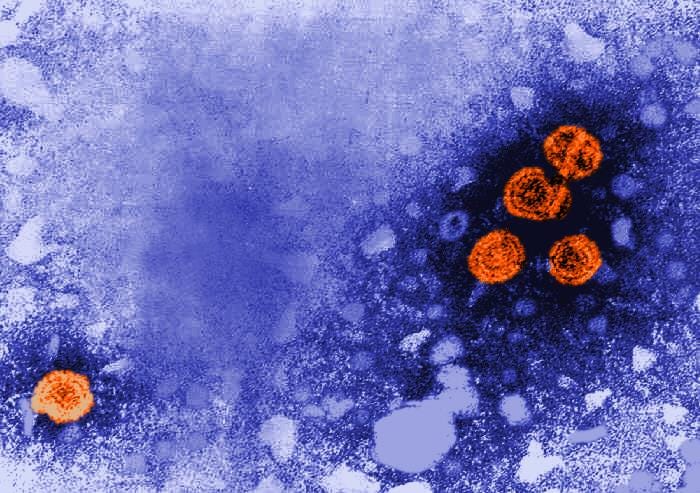
In an extremely controversial decision, ACIP decided to no longer recommend that babies receive their first hepatitis B shot afterbirth, granted the mother has a negative test result for the disease. This may sound reasonable at first, given that the mother has a negative test, but this decision is dangerous for several reasons.
Depending on where a mother lives in the US, she may not have access to frequent testing of her hepatitis B infection status. This introduces a gap: a mother may test negative and then become positive and not know prior to giving birth. Up to 15% of mothers miss routine screening.
How hepatitis B tests work
The false negative rate for a hepatitis B test depends on the specific assay used, but ranges from 1 to over 10%. The sensitivity of the test, or the true positive rate, is usually 95 to 99%, yielding a false negative rate of 1 to 5%. Sensitivity is the probability of a positive test result, which is conditioned on the individual being a true positive. Rapid Diagnostic Tests (RDTs), such as point-of-care or rapid strip tests may have lower sensitivity, with false negatives ranging from 2.5 to 12% depending on the brand of test and viral load present.
Additionally, testing too song after exposure can lead to false negatives. This is because hepatitis B surface antigen (HBsAg) takes one to up to nine weeks to become detectable in blood (average of four weeks). Rarely, there’s also this insane thing called Occult Hepatitis B infection (OBI) (Author’s note: I know, dude) which is when viral DNA stays active in the liver, but blood tests show a negative result for the surface antigen because the viral load is so low and often rise and fall, surreptitiously staying bellow 200 International Units per milliliter (IU/mL). Thankfully, it is extremely rare for an OBI to pass from mother to baby.
Why is the universal hepatitis B afterbirth shot so important for health?
If a mother is positive for hepatitis B, there is a 70 to 90% likelihood she will pass the infection down to her newborn baby. Moreover, there is a known 90% likelihood that the baby will develop lifelong chronic hepatitis B. This is why the universal Hepatitis B shot is so essential—one false negative and a baby is sick for life. This is compared to only 5% for adults.
The universal hepatitis B afterbirth shot is proven to be safe and successful: since the universal dose was introduced in 1991, hepatitis B infections in children have dropped by 95 to 99%, resulting in very few annual cases.
The fact is, this recommendation does not work in a country that does not yet have universal healthcare.
Success in Alaska
In the 1970s and 80s, Western Alaska and Alaska Native communities suffered some of the highest rates of hepatitis B infection and childhood liver cancer in the world. In 1981 and 1982, following the licensure of the first hepatitis B vaccine, tribal health organizations and researchers launched a demonstrative trial project in remote Western Alaska villages to both screen and vaccinate high-risk, hepatitis B-negative populations. The Alaska Native Tribal Health Consortium and tribal health facilities expanded the program throughout the state, offering newborns a three-dose vaccine series, starting at birth. In the 1990s, the state began recommending universal birth doses for all infants and supplied vaccines to all.
This routine universal vaccination for newborns almost completely eliminated transmission and liver cancer in young Alaska Natives, leading to multiple longitudinal (long-term) immunity follow-up studies. It was an incredible success and a model for the US.
Liver cancer
The hepatitis B shot can also be considered an anti-cancer shot: like many vaccines.
In addition to the 90% chance of developing a lifelong chronic infection, babies faces a 15 to 25% risk of developing severe liver disease, cirrhosis, or liver cancer from their chronic hepatitis B infection.
Danish childhood vaccine schedule
The last significant change ACIP and RFK Jr.’s HHS at large has made, unilaterally, is to remodel the US childhood vaccine schedule to match that of Denmark’s (Author’s note: as foreshadowed earlier). This is not functional because the US is not Denmark.
The CDC reduced the routine recommendations from 17 to 11 diseases to fit this schedule. The diseases moved to risk-based recommendations are: hepatitis A, B, Respiratory Syncytial Virus (RSV), and meningococcal disease (bacterial meningitis). Additionally, COVID-19, seasonal influenza (flu), and rotavirus recommendations were moved to shared clinical decision-making. MMR, polio, DTaP, HiB, pneumococcal disease, varicella (chickenpox), and Human papillomavirus (HPV) were all retained on the schedule.
This sweeping change is what finally prompted the lawsuits against ACIP, HHS, and CDC. Trump and RFK Jr. claimed this change reduced the “number of injections” from 72 to 11 shots. This wonky math is based on seasonal flu shots and COVID-19 boosters through age 18. It is purposefully misleading.
The US is not Denmark
Why does this recommendation not work for the US? Well, for one, our country is very different than Denmark. As mentioned in the previous section, we do not have universal healthcare. Denmark does. The US has a higher incidence of several vaccine-preventable diseases. The US’ population is 50x Denmark’s. Denmark’s population is much more homogenous and has a very robust national tracking registry. The US has significant racial, ethnic, and geographic diversity, making centralized public health entirely different between the two countries. Denmark has paid sick leave. American children have higher baseline health issues than Denmark, such as higher rates of obesity and asthma. These conditions can lead to intense complications during preventable infections.
Denmark’s childhood vaccine schedule is not even common in Europe. It is an outlier. The former US childhood vaccine schedule aligned much more with similar nations such as France, Germany, and Italy.
What do I think they will go for next?
You’ll have to read Part III to find out.
Topics covered in Part III: what I think RFK Jr. will go after next, CDC problems during past Democratic *and* Republican administrations, the CDC shooting, an argument for universal healthcare, the cost of decreased vaccine access, how to resist lies, and an official call for RFK Jr.’s resignation
Publication: Roo McGuire Health will cover emerging public health topics in the US and globally, aiming to resist Trump’s anti-science agenda and provide credible health information during the current “information blackout” caused by government and academic funding cuts.
Author: Miranda Mitchell, MPH (“Roo McGuire”) is an environmental health scientist. Opinions are her own and do not represent the institutions she was previously affiliated with. She is a graduate of Emory University and Emory University’s Rollins School of Public Health, as well as a former intern at the Office of Children’s Health Protection (OCHP) at US Environmental Protection Agency (EPA) Headquarters in Washington, D.C., graduate work-study student at US Centers for Disease Control and Prevention (CDC) Headquarters at its Roybal Campus in the National Center for Emerging Zoonotic Infectious Diseases (NCEZID), and Oak Ridge Institute for Science and Education (ORISE) fellow and full-time employee at US Agency for Toxic Substances and Disease Registry (ATSDR) at US CDC’s Chamblee Campus. Her Master’s thesis, published in Emerging Infectious Diseases (EID), investigated the potential transmission dynamics and genetic diversity of a bacteria in bats and their ectoparasites. Her areas of expertise are: health risk assessment, environmental health science, molecular biology, and infectious disease epidemiology. She currently makes public health and political educational content here and on Twitch.tv/roomcguire, while she awaits her first child. She hopes to pursue a doctorate sometime after 2028. She has never received any money from pharmaceutical companies or any other funding source other than individual subscribers and declares no conflicts of interest. She apologizes for the HBO “Chernobyl” quote, but not really, that show is awesome. Real quotes from chemist Valery Legasov’s tapes are available here.