

Summary
What is already known about this topic?
A brief history of bird flu
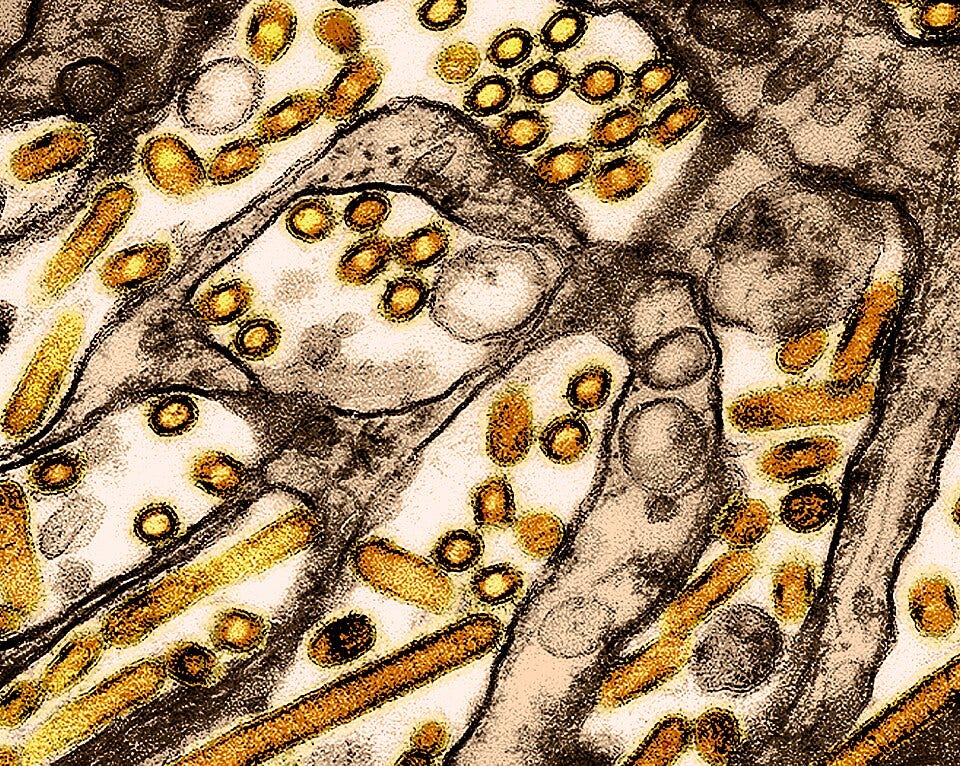
On May 9th 1997, a once healthy three-year-old boy in Hong Kong developed influenza-like (“flu”) symptoms. The boy was hospitalized and, sadly, soon passed away. A sample was taken from the young boy and isolated via genetic sequencing, but for some reason — the virus could not be “subtyped.”
Influenza viruses comprise four species, each of which is the sole member of their genus. The four influenza genera comprise four of the seven genera in the family Orthomyxoviridae, all of which are RNA viruses. The four genera, and species or “types”, are: influenza A virus (Alphainfluenzavirus), influenza B virus (Betainfluenzavirus), influenza C virus (Gamma-), and influenza D (Delta-). If you have paid any attention to COVID-19 over the past five years, you’ll be familiar with taxonomists’, geneticists’, and epidemiologists’ love of using Greek letters for variant naming. The same applies to influenza virus types. Influenza A, acting in alpha fashion (Author’s note: the kids might say “sigma,” although that is the 18th letter of the Greek alphabet), has historically been responsible for most cases of severe illness, as well as seasonal epidemics and pandemics, such as the 1918 Spanish flu pandemic and 2009 swine flu pandemic — both caused by influenza type A virus subtype H1N1 (2009 swine flu was a descendent of the 1918 strain).
H1N1 is a subtype of influenza type A. Subtypes of pathogens generally are pathogens that are the same species, but vary in their distinct genetic differences and are often associated with different epidemiological patterns and clinical characteristics. The naming for influenza A subtyping uses two antigenic proteins on the surface of the viral envelope: haemagglutinin (H) and neuraminidase (N), because these proteins are major contributors to the pathogenicity (the ability of an organism to cause disease) of the virus. Whatever subtype had tragically taken the life of an indefatigable toddler had never been described before in humans.
Scientists in Hong Kong sent the sample to the United States Centers for Disease Control and Prevention (US CDC) and other influenza research facilities. The results were shocking and, frankly, scary. The US CDC and colleagues from the Netherlands and the United Kingdom independently identified the virus as a new influenza A subtype: H5N1. Not only this, but before the discovery of avian H5N1, scientists thought that avian influenza viruses needed to pass through pigs before they could infect humans. The genetic data showed that there was no pass-through — this novel influenza virus subtype had jumped the species barrier directly from birds to humans.
H5N1 is just one subtype of avian influenza. Avian influenza, known then as “fowl plague,” was first described in 1878 by Edoardo Perroncito, an Italian parasitologist, who differentiated it from other common pathogens in birds. Although these are the oldest references to bird flu in history, it is believed that the virus existed for a long time before Perroncito’s publication, possibly hundreds of years before. In 1901, the etiology of the fowl plague was determined to be a virus, and in the 1930s, the virus was first isolated. In 1957, a different influenza A subtype, H2N2, caused a pandemic, known as the “Asian flu.” The estimated number of deaths globally was 1.1 million, including 116,000 in the United States. In 1959, H5N1 was isolated in chickens in Scotland, but it was not detected in humans until the toddler in 1997.
After this toddler’s death in May, 18 more cases of H5N1 were observed in Hong Kong from November to December 1997. Many of the cases were in young children. Six out of 18 people died. These additional cases led many to worry that a new, deadly influenza pandemic was imminent. A team of US CDC scientists were sent to aid the Hong Kong Department of Health in investigating the epidemic. Their goals were to determine the extent to which the infection was being transmitted. Was human-to-human transmission occurring, bird-to-human, or both?

To determine whether human-to-human transmission was happening, and to what extent, the US CDC and Hong Kong Department of Health (DOH) analyzed victims’ common exposures and tracked new cases. In tandem with the human cases, the health authorities were aware that H5N1 was rapidly spreading through Hong Kong’s poultry markets. Through their investigation, Hong Kong DOH and the US CDC determined close interactions with infected poultry (bird-to-human transmission) were the source of the epidemic. On December 28, 1997, Hong Kong authorities made the tough decision to cull all of the 1.6 million birds living in Hong Kong poultry markets, stop the importation of poultry from neighboring markets, and institute strict policies for poultry trade in markets. The measures were successful: no further cases of H5N1 in humans or poultry occurred in 1998.
H5N1 viruses re-emerged in poultry in 2003, causing sporadic human infections globally. There have been a few cases of even limited human-to-human transmission of H5N1 documented in history (Author’s note: although a recent scoping review from US CDC’s 2024 bird flu team suggests limited human-to-human transmission has occurred, asymptomatic cases exist, and a commentary from experts supports the idea that there is a blind spot in the extent to which this is happening. All things I have posted about early on my Twitter, you should follow my Twitter! I’m da US CDC now. I’m da king of da highway!). In 2004, a bird flu epidemic in eight Asian countries infected at least 44 people, killing 32 out of 44. Most of these people had close contact with poultry. Except for two people in Thailand who had no direct exposure to birds and whose samples of the virus showed it had not mutated from its avian form, which was deduced using genetic analysis (Author’s note: something I enjoy doing). In this case, the evidence suggested that an 11-year-old girl who played and slept near infected chickens transmitted H5N1 to her mother and her aunt. The mother, who died, was a garment worker who had not been around poultry. The aunt had no exposure to poultry for 17 days before becoming sick. 17 days is longer than the typical two to 10 days before H5N1 symptoms appear. Neither the aunt nor the mother spread the disease to anyone else, which indicates that the virus was not spreading efficiently among humans (no sustained human-to-human transmission).
In the 1960s, several low-pathogenicity avian influenza (LPAI) viruses of all different subtypes were isolated from various bird species, displaying symptoms of both respiratory and reproductive disease, and demonstrating significant variation in the clinical manifestation of these viruses.
Current US situation
Fast-forward to March of 2020 in the United States: well, you remember.
COVID-19 was declared a pandemic and therefore public health emergency on March 11th, 2020. At the same time, a low-pathogenicity avian influenza virus (LPAI) H7N3 outbreak ravaged turkey farms. In the fall of 2020, reassortment (gene-swapping) between turkey poultry and viruses in wild birds lead to the emergence of high-pathogenicity avian influenza (HPAI) H5N1 viruses, when N1 neuraminidase (NA) antibody was picked up from wild birds (Author’s note: source removed from US CDC website). The new virus, H5N1 was detected in turkeys in a commercial poultry facility in February of 2022. Inside baseball: the sequencing of samples from these turkeys identified the virus’ lineage as the Eurasian lineage goose/Guangdong clade 2.3.4.4b (A/goose/Guangdong/1/1996 or “Gs/GD”), genotype D1.1, of which the 1997 Hong Kong human outbreak H5N1 virus (A/Hong Kong/156/1997 strain or ‘“HK/97”) discussed at the beginning of this article is a reassortant of (Author’s note: reassortment does not always lead to a new “H” and “N”).
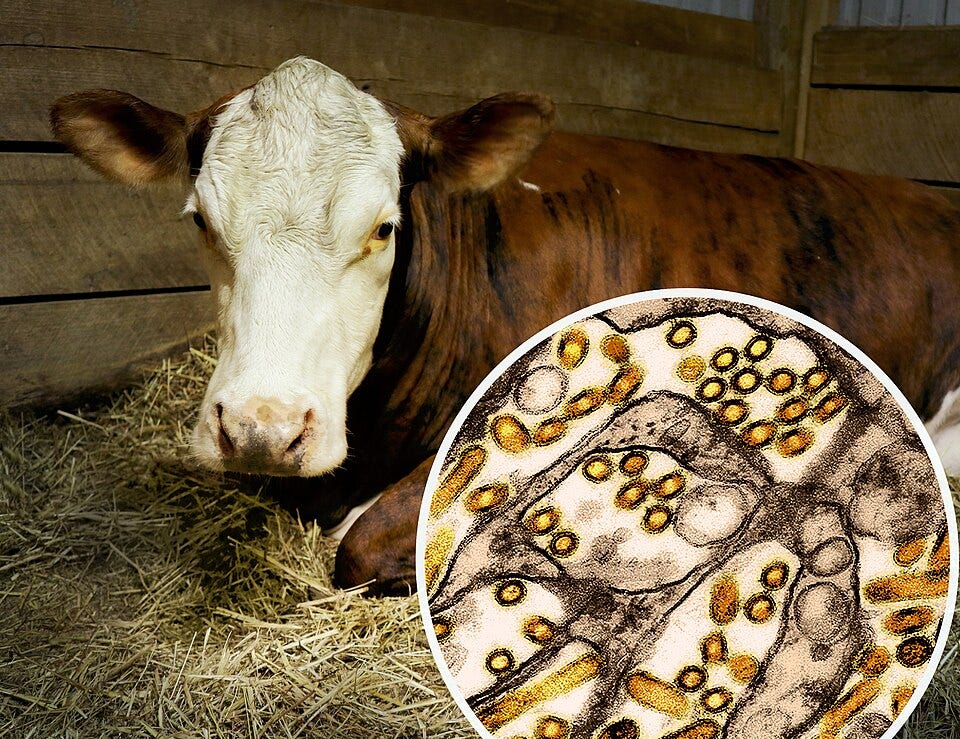
In 2024, H5N1 infections were reported in the first time in juvenile goats on a farm where a poultry had tested positive for the virus. In the same month, H5N1 was reported for the first time in dairy cows on Kansas and Texas farms. The reassortant nature of HK/97 and the deadly outbreak it caused highlights the potential for H5N1 influenza to evolve and spread through new hosts — and that it did, by infecting cattle for the first time ever.
The genotype of Gs/GD in cattle was identified to be B3.13 (another genotype of the same 2.3.4.4b clade). It did not take long for there to be a spillover event between these infected cattle and the dairy farm workers. Like a bad joke, on April 1st, 2024, a person (a Texas dairy worker) in the United States tested positive for H5N1 in the first reported case of cow-to-human spread. Since then, the wild bird and poultry genotype (mentioned earlier, D1.1.) has also been detected in cattle, representing another spillover event from wild birds to cattle. Additionally, a new genotype of H5N1 has been detected in US poultry as well — evidence that this pathogen is evolving. New subtypes (such as H7N9) of bird flu have been detected in birds as well (not yet reported in humans in the US), although H5N1 remains dominant.
A new subtype in humans — H5N5: Is it more or less concerning?
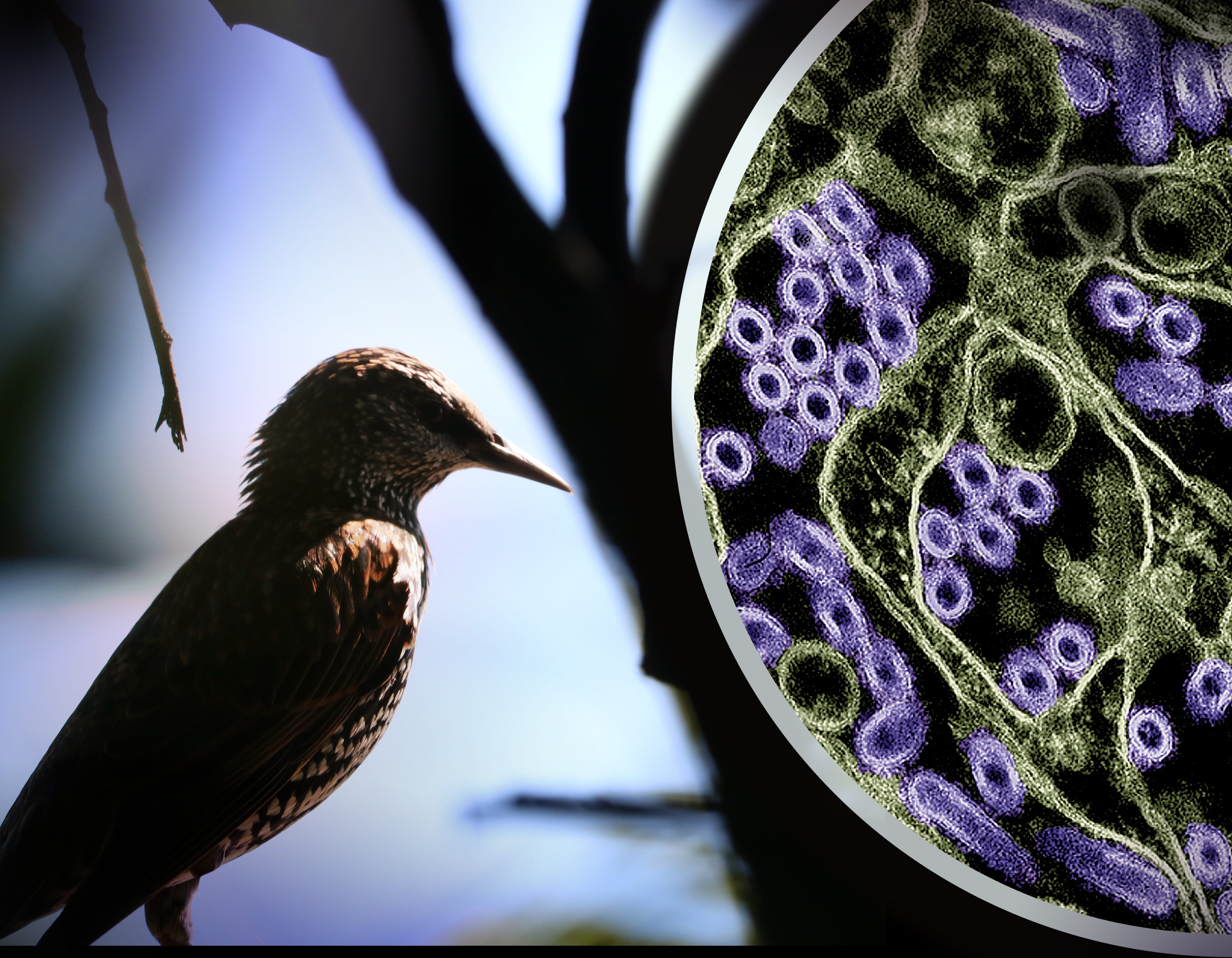
In July of 2025, the US CDC ended its emergency bird flu response because human and animal cases had significantly declined. Human cases came to a halt at 70 cases in February 2025 and then suddenly, in November 2025, a new case was reported in Washington state. Similar to the story I opened this article with, when scientists subtyped the virus they were shocked to find out it was not an additional H5N1 case, as expected. Another, new subtype had spilled over from animals to humans for the first time ever: H5N5.
My take: a new subtype spillover from animals to humans is alarming. It was likely a result of reassortment between a high pathogenic H5 subtype and a low pathogenic HxN5 subtype from wild birds, maybe birds that migrated from Canada. The Washington patient had an outdoor flock of mixed domestic birds. Importantly, I did look at the DNA sequences uploaded in the National Center for Biotechnology Information (NCBI) database and it appears a key mutation associated with mammalian adaptation and potential sustained human-to-human transmission (in tandem with other mutations; I am talking about E627K in PB2 here) is absent (Author’s note: however, while absent upon initial infection, the E627K mutation can emerge rapidly during a single infection cycle within a human or mammal).
Some epidemiologists and virologists say that they would not be more or less concerned if this new bird flu case were the H5N5 or H5N1 subtype — I respectfully disagree (to a certain extent). Here’s why: with influenza, the more subtypes that are circulating (such as the dominant seasonal influenza A(H3N2), subclade K, that is driving yet another severe, and early, flu season this year, A(H1N1)), the more opportunities for reassortment. The more opportunities for reassortment, the more opportunity for the emergence of more virulent subtypes and subtypes evolved to infect new hosts, or more efficiently infect and transmit between hosts. The emergence of a previously unseen human subtype factually increases the diversity of potential reassortants.
However, while H5N5 is new in humans, the current primary focus of concern for pandemic potential remains the unprecedented spread of H5N1 within US dairy cattle, and risk to the general public remains low (see risk rating out of 10 later in the article). Notably, however (Author’s note: apologies for all the “howevers”), the H5N5 patient did unfortunately died from their infection, one of two US bird flu human deaths when most cases have been mild. This does not necessarily mean H5N5 in humans is more concerning; the data is too limited at this time and given how H5N1 is much more prevalent in animals that are leading to human cases, H5N1 remains more of a concern for long-term pandemic risk.
UPDATE (2/13/2026): Although implicit to my take above, new research (pre-print) from the Icahn School of Medicine at Mount Sinai supports the following conclusions, summarized by corresponding author, Dr. Florian Krammer:
“Humans have strong immunity to the N1 component of H5N1, but not to the N5 component of H5N5. Also, H5N1 strains with additional glycosylation sites in N1 (Author’s/Roo note: in this case, a H5N1 strain from a severe human case in British Columbia) partially escape immunity. H5N5 and H5N1+glyc (Roo note: reassortment making new subtype/strain) would have it likely easier to spread in humans.”
What is added by this report?
The People’s Morbidity and Mortality Report (PMMR) is providing a trustworthy overview of the bird flu current situation in the US and abroad. The US CDC has been under extensive scrutiny lately for publishing disinformation on its website. Roo McGuire Health and the PMMR intends for this report to be a one-stop shop for general information on bird flu, in the event that the US CDC’s bird flu webpages become factually inaccurate. This is motivated by additional alleged denial of evidence of potential long distance airborne spread of bird flu by the US Department of Agriculture (USDA). This report will provide a background on the virus, answer questions sent in by newsletter readers, and give recommendations on how the public can protect themselves from this virus, even when the risk to the general public is currently low.
UPDATE (2/13/2026): According to US National Institutes of Health (NIH) emails obtained by Nature, staff at the National Institute for Allergy and Infectious Diseases (NIAID) have also been instructed to remove the words “biodefense” and “pandemic preparedness” from the US institute’s web pages.
No such censorship (they’d say they’re just “changing priorities,” but biodefense and pandemic preparedness should be things NIAID prioritizes and discusses on their web pages) will occur in this newsletter; if (when) there is another global pandemic and you are a reader of my writing, you will know about it — early, maybe even first.
That sounds dramatic, but I mean it.
What are the implications for public health practice?
A better health-educated and informed public leads to better health outcomes. Roo McGuire Health seeks to be a leader in transparency on public health issues in the US and abroad. This report will provide recommendations on how members of the public can protect themselves from this virus, even when risk to the general public is currently low.
The US Diary and Cattle Industries
So, let’s dig into the main sources of exposure in the US for this virus: the diary and cattle industries (Author’s note: we’ll get to wild birds later).
Egg prices and capitalism, vaccinating chickens, and culling
As of November 2025, prices for a dozen of eggs in the United States averages around $3. This is a welcomed decrease from the cost in 2024 and 2025, which peaked in December 2024 with an average of around $4 (Author’s note: this varied by location, with the highest reported cost of almost $9 in California). Prices got so high in part because of the culling required to deal with bird flu outbreaks, but also the corporate greed of the highly concentrated (almost monopolized; for example, the company Cal-Maine produces one in every five eggs in the US) egg market. To a certain extent, it was found that corporations used bird flu as a ruse to hike up prices.
Currently in the US, poultry cannot be vaccinated for bird flu, because while a conditional license was granted for the vaccine by the USDA in April of 2025, it has not been approved for widespread commercial use. The USDA gave a conditional license to the manufacturer Zoetis for an updated avian influenza vaccine (Author’s note: “updated” meaning a vaccine that specifically targets the currently circulating strains/genotypes), which allows for the vaccine’s production to be prepared. This is a step in the research and development phase and does not mean it is available for use on farms yet and farmers cannot currently purchase or administer the vaccine. The USDA is still in the process of determining if and how to implement a vaccination strategy. The decision will be made in consultation with various stakeholders, including state departments of agriculture, veterinarians, and most importantly — the poultry industry.
The biggest hang-up is the potential for trade partners refusing to buy US poultry if they are vaccinated. Some countries will not buy US poultry if they are vaccinated because vaccines can “mask” the virus — vaccines produce antibodies similar to infection, making it difficult to tell infected from health birds. Importers therefore fear that vaccinated flocks could still get infected, replicate the virus at low levels (silent infections), shed the virus, and even produce more dangerous strains from this process. Countries that vaccinate flocks are often not recognized as “HPAI-free” by major importers, who want assurances that their flocks are completely free from the virus, not just protected by the vaccine. The US poultry industry relies heavily on exports, and vaccination would led to bans from international customers, costing the industry billions in revenue. The industry also claims that vaccinating millions of birds is expensive and logistically challenging.
So it seems right now the poultry industry and USDA are in a cost-benefit analysis limbo with vaccination of flocks. Currently, depopulation (culling) is recommended — although there is some debate on the efficacy of this strategy. Generally, however, mass culling is seen as humane (HPAIs spread rapidly among poultry, cause suffering/severe illness, including very high mortality), cost-effective (seen as cutting losses, allowing for more room for healthy birds in the future, large farms getting paid/compensated by the government for culling), and also helpful in preventing the virus from jumping to humans by reducing the number of infected animals actively shedding virus and the potential for mutation and spread, thereby limiting human exposure.
To counter a panzootic, funding is needed for biosecurity measures, testing, vaccine research, and financial relief for farmers currently using culling. In the Trump-Musk era of taking a chainsaw to essential government services, it is notable that this administrations’ USDA has committed to $1 billion-dollar strategy to combat bird flu using these methods. The strategy has five elements: $500 million for biosecurity measures (surveillance), $400 million in financial relief for affected farmers, $100 million for poultry vaccine research (I’ll get to a human vaccine later — spoiler alert: RFK Jr. has ruined the progress with that), action to reduce regulatory burdens, and exploring temporary import options. USDA reports HPAI detections in poultry here. A question about whether bird flu can be contracted through the consumption of poultry or eggs is included in the “Readers’ Questions” section.
You found your moo!
You may have heard in the news that not only poultry, which one would expect would be vulnerable to bird flu, have contracted the virus but cattle have as well. This is correct, as mentioned in the summary section of this article. As of writing this, USDA has not reported HPAI in dairy cattle since December 13th, 2025 (Author’s note: that is concerning and does not mean there are no detections). A question about whether bird flu can be contracted through the consumption of milk or beef is included in the “Readers’ Questions” section.
Human Health
Who is currently at risk?
At this time, occupational workers, those who work in the poultry and dairy industries, are at the highest risk for contracting bird flu. In fact, according to CDC’s H5 bird flu tracker, the most common exposure source for human bird flu cases are dairy herds (41 cases out of 71 total; 41/71 = 57.7%). Poultry farms are the second most common exposure source (24 cases out of 71 total; 24/71 = 33.8%).
Below, I describe different population groups’ risk. Scroll to the section that applies most to you to read recommendations on how to best protect yourself from bird flu.
Highest risk — Dairy workers
Dairy workers may contract the virus through direct contact with infected fluids, such as if the virus enters their eyes, nose, or mouth (incidental ingestion) via splashes that occur during milking, touching or being exposed to the cow’s saliva, respiratory secretions (mucus), or feces. Touching the udders of the infected cow is one of the highest-risk activities for the worker due to the extreme concentration of the virus in mammary (breast) tissues. In cows, the virus primarily replicates in the mammary glands rather than the respiratory tract. Due to this mammary tropism (defined in this case as the specific preference of a pathogen to infect tissues), udder tissues and raw milk contain higher viral loads than any other parts of or products from the cow. Dermal (skin) or other contact with contaminated surfaces (fomites) can also be a concern, such as milking apparatuses, bedding, or feed. In addition to direct contact, inhalation is a primary route of exposure. Exposure can occur by breathing in respiratory droplets or fine dust particles (e.g., from manure or bedding) that contain live virus.
Personal protection against contact is a critical, as most human cases in the United States have involved workers who were not wearing all of the recommended personal protective equipment (PPE) (specifically not wearing N95 respirators), while conducting high-risk tasks. Workers can still contract the the virus while using PPE, through breaches and accidents (e.g., milk splashes that bypasses goggles or lands on the face while the worker is adjusting their PPE), contamination during removal (doffing), suboptimal gear selection (e.g., wearing gloves or basic surgical masks but not wearing respirators), or movement of PPE resulting from getting wet in the hot, humid environment of milk parlors. Those who work in milk parlors on farms with lactating animals, especially with animals that are known to be infected (sick or dead animals), are currently in the highest risk group for bird flu.
Beyond recommended PPE use, dairy workers are recommended to not eat, drink, smoke, or chew gum in animal areas; avoid face touching; frequently wash hands for more than 20 seconds with soap and water and shower at shift’s end, as soon as possible; use designated spots for putting on and removing PPE and work clothes; disinfect footwear before removing; and leave all contaminated work attire at the farm to be washed.
Specific tasks other than milking that are high-risk for workers include feeding calves raw milk or non-heat-treated colostrum, removing manure or disinfecting and cleaning cow pens, and transporting and handling infected or dead cows. More information for dairy workers is available here and here.
Highest risk — Poultry workers
Poultry workers are the second highest risk group for bird flu.
Poultry workers are also exposed through direct contact with infected birds (both alive and dead), birds’ bodily fluids (droppings, saliva, mucus), touching surfaces such as bedding or equipment and then touching their eyes, nose, or mouth. Inhalation of respiratory droplets or dust particles that contain live virus is another route of exposure. PPE is also essential for these workers. Feeding and caring for birds, culling and cleaning barns, slaughtering and processing poultry on-site, and visiting other farms without changing clothes or footwear are high-risk tasks and activities. Neither poultry nor cattle workers on large-scale farms usually do their own processing or slaughtering of animals, although some small-scale farms do so for personal (family) use. This is regulated by USDA, although the Make America Healthy Again (MAHA) movement is pushing to allow it on small farms for in-state sale (Author’s note: bad idea).
Overall, those who work on any kind of farm with animals known to be sick or dead from bird flu are currently in the highest risk group for bird flu. More information for poultry workers is available here and here.
Workers at zoos or other animal facilities that have animals known to be sick or dead from bird flu are also in the highest risk group.
Highest risk — Zoo or other animal facility/sanctuary worker and veterinarians and veterinary staff
Zoo or other animal facility workers are the third highest risk group for bird flu.
Bird flu gets into zoos primarily through infected wild birds that fly into or near enclosures, contaminating the environment with droppings, saliva, or nasal secretions, which captive birds and other susceptible animals (such as big cats, domestic cats, cattle, primates, rodents, pigs, rabbits, and marine mammals) then interact with. Transmission can occur through air, direct contact, incidental ingestion. Zoo workers should follow the same precautions as other workers above.
Veterinarians and veterinary staff are also at risk, as patients may be brought in with bird flu. Detailed recommendations are available for these workers here.
Power to all workers; you have a right to a safe workplace.
Butchers/slaughterhouse and dairy processing workers
Butchers also face a higher risk of bird flu due to potential contact with infected animal fluids, feces, or contaminated sequences, especially when handling sick animals, which workers may not know are sick. Using PPE, hygiene, ventilation, and other work practices are essential for workers’ safety. Thorough cooking (poultry to 73.9°C/165°F, ground beef to 71.1°C/160°F, cuts of beef to 62.8°C/145°F with rest time afterwards) inactivates the virus, making meat safe to eat. PPE described above (well-fitting respirators, gloves, and protective clothing) are recommended; separate raw meat types, cutting boards, and other equipment from each other; washing hands should be done for 20 seconds (warm water is usually recommended, around 37.8°C/100°F, thought this is increasingly seen as a matter of compliance and comfort rather than for germ removal; cold water works as well) and hand sanitizer can also be used before and after handling meat and other work materials; disinfecting surfaces and tools and not eating, smoking, or drinking in work areas is critical; and workers should monitor themselves for symptoms such as respiratory issues or conjunctivitis (pink eye). Employers should support their workers in safety.
Other processing workers can be at risk as well. Milk processing workers risk bird flu through direct contact with raw milk and contaminated surfaces. Those who work with raw-milk cheeses are also at risk. These workers should follow the same recommendations as all the other worker groups.
If you suspect bird flu at your work site, report it immediately: contact your State veterinarian or USDA’s Animal and Plant Health Inspection Service Area Veterinarian in Charge for your state. Isolation protocols should also be used if bird flu is suspected on-site. Keep sick and exposed animals separate and restrict the movement of people and equipment.
Some people have backyard flocks of chickens, ducks, geese, guinea fowl, or turkeys (cool). Your backyard flock may get sick. Some signs of sick poultry are: eating or drinking less than normal; having ruffled feathers; having runny diarrhea; having discharge from the eyes and nose or difficulty breathing; producing fewer eggs than normal, producing discolored; irregular, or misshaped eggs; and dying unexpectedly of no apparent cause. You should contact your local veterinarian if you notice these symptoms and they can help you determine the cause of the illness, as well as show you how to curb spread. If your bird(s) show signs of bird flu, the CDC recommends you start to wear PPE around them — safety goggles, an N95 respirator, disposal gloves, coveralls, and rubber boots. More information for backyard flock owners are available here and here. Note that, unfortunately, bird flu can also be asymptomatic in poultry.
Those who hunt wild birds and waterfowl are at a higher risk for bird flu. Wild birds can carry the virus to new areas through migration. Wild birds can also be asymptomatic. They can also be obviously sick; do not handle wild birds that are obviously sick or dead. While cleaning and handling game, do not simultaneously eat or drink, or put anything in your mouth. You should wear the same PPE as other groups while handling game. More information for hunters is available here.
General public — raw milk consumers
There is a troubling trend right now in the US: people are drinking raw milk.
H5N1 virus has been detected in unpasteurized (raw) milk collected from clinically ill and asymptomatic dairy cattle during an outbreak investigation. It is known that raw milk can be contaminated with other pathogens including Campylobacter, Listeria, Escherichia coli, Salmonella, Staphylococcus aureus, Yersinia enterocolitica, Mycobacterium bovis, Brucella, and Coxiella burnetii. Pathogen transmission to humans has occurred through drinking of raw milk contaminated with these pathogens. These pathogens can cause serious illness, hospitalization, or death. There is concern that drinking raw milk and other products made from raw milk could possibly transmit bird flu to people; however, the risk of human infection is currently unknown.
Some unpublished studies of mice indicate a risk of infection when fed affected milk. Additional research is needed to understand the potential risk to human public health from drinking raw milk; a more technical explanation (two ways for how milk transmission to humans might work, theoretically) is available for the most eager readers here.
Overall, the unnecessary risk of pathogen transmission does not outweigh any possible benefit of consuming raw milk. Pasteurization is the process of heating milk to a sufficiently high temperature, for a long enough time, to kill pathogens, including bird flu. Some studies have shown that the US commercial pasteurized milk supply is safe from bird flu due to pasteurization and prevention strategies such as destroying milk taken from sick cows.
Some international and even interstate travelers are at an increased risk for bird flu. However, this risk is greatly attached to what you are doing and where you are going. Let me elaborate.
International travelers are at higher risk for bird flu if they are visiting countries with active outbreaks (see map) in poultry or wild birds. Currently, this includes countries in Asia, Europe, and the Americas. Note, there are currently no bird flu-related travel advisories for any of these countries. You are especially are risk if you are doing the following things in countries with outbreaks: going to live animal markets, visiting poultry farms, touching sick or dead wildlife.
You are also at risk for bird flu during interstate US travel if you are doing the following: visiting agricultural fairs or farms, consuming raw dairy, going to wildlife refuges or national parks and making contact with animal droppings or dead animals. You are not at risk for standard transit travel, such as road trips, flying on a plane, or taking a train.
Your risk of contracting bird flu during travel is low if you are not engaging in the high risk activities listed above, in places with outbreaks.
Outdoor (and very, extremely unlikely, but potentially, indoor) pet (birds, cats, and dogs) owners may be at risk for bird flu.
While it is unlikely that you will get bird flu from contact with an infected pet, it can happen. If your pet goes outside and eats or is otherwise exposed to sick or dead birds, dairy cows, or other animals infected with bird flu, they may contract the virus. As a general rule, you should not allow your pet to interact with wild birds, backyard poultry, cows, or other outdoor animals. You should also keep pets away from clothing, surfaces, bedding, or other materials that could be contaminated with bird flu (e.g., chicken coop bedding). Did bird droppings, litter, surfaces, or even potential water sources for those sick birds such as ponds, buckets, troughs should not be accessible to the pet.
Do not feed pets raw pet food or raw milk; this has already resulted in pets getting sick and dying.
Signs of bird flu in your pet include: fever, fatigue, low appetite, reddened or inflamed eyes, discharge from the eyes and nose, difficulty breathing, and neurological symptoms (tremors, seizures, incoordination, or blindness).
In the US, most bird flu infections in cats have been associated with bird flu-affected farms, although some infections have been linked to owners feeding their cats raw pet food or raw milk. As mentioned earlier, while rare, it is possible for indoor-only cats to become infected with bird flu. This occurs likely through contact with infected animals or people, or contaminated materials like clothing.
Taking a bit of a break from the professionalism to give a hyper-specific recommendation if you want to be EXTRA careful — if you live in the Pacific Northwest, some parts of southern Canada, along the Great Lakes, or other areas that have the blue diamonds here (even consider if you live near the green circles), I would recommend considering supervising your outdoor cat when they go outside if they are known to kill birds.
General public — unvaccinated against seasonal flu
The vaccine for seasonal flu is not designed to protect against bird flu. You should still get the vaccine for several reasons, including reasons that pertain to bird flu.
Don’t be patient zero, please
Credible health organizations recommend everyone 6 months and older (with rare exceptions) get the seasonal flu vaccine. Seasonal flu vaccines reduce the risk of seasonal flu, but do not protect against bird flu. However, the seasonal flu vaccine may reduce the very rare risk of coinfection with a human seasonal flu virus and an avian flu virus at the same time, and therefore the theoretical risk of reassortment between the two viruses which could potentially lead to the development of a novel subtype, strain suited to cause a pandemic.
Cross-protection
Studies indicate that seasonal flu vaccines may provide some, if any, limited cross-reactive antibodies and overall partial, weak (widely considered insufficient) protection against bird flu strains — not complete immunity. While seasonal vaccines may help, they cannot substituted specialized, pandemic-preparedness vaccines, which should be designed for the dominant circulating subtypes and strains of bird flu (H5N1 strains). Vaccination against seasonal flu is recommended for groups mentioned above, but especially for dairy and poultry workers to reduce the risk of co-infection and reassortment.
A little extra on seasonal flu, 2025-2026
Getting the seasonal flu vaccine is important this, and every, season. It is not too late to get your flu vaccine — many providers offer shots into late winter (February) and even Spring (April/May). Generally, it is best to get your flu shot in early fall — however, this year’s dominant (approximately 90% of cases!) sub-strain/variant (A/H3N2 subclade K (2a.2a.3a.1); or “K(J.2.4.1)”; various strains) seemed to peak later than the usual time period, although it is not clear yet if cases have officially peaked in the US. While some surveillance measures showed slight declines in early January, experts believe this may be due to holiday-related lags in reporting; high levels of activity are expected to continue. H3N2 seems to have prolonged epidemics in some countries in the Southern Hemisphere, or caused an earlier than normal start to some countries in the Northern Hemisphere (not the US, although there was early severity).
As anticipated by experts like myself who monitor pathogens globally, year round (we watched H3N2’s activity and mutations as it rose in cases during the later part of southern hemisphere’s flu season, around July/August 2025; Michael, in particular, deserves recognition), there is a mismatch between the dominant H3N2 subclade K sub-strain/variant and the seasonal flu vaccine (the selection of viruses used in the vaccine was made in February 2025). Mismatches decrease the efficacy of the vaccine, but the vaccine is still recommended because it contains the pre-mutation “parent” strains and is still effective in reducing severe illness and reducing/preventing community transmission (although it does not eliminate transmission entirely).
Due to this mismatch and overall number of new, key mutations in the dominant sub-strain/variant (allowing for increased immune evasion of the virus), 2025-2026 has been a severe flu season. Technically, the US CDC has deemed this season “moderately severe,” with high severity in children and moderate severity in adults. Record-high (or highs that have not occurred in decades, highs compared to expected levels) doctor’s visits, weekly positivity rates, and some locations’ weekly hospital admission admissions for flu have been reported in the US this year. With so much seasonal flu circulating like this, epidemiologists worry about increased chances for rare reassortment with bird flu in a co-infected individual, and therefore potential emergence of a strain suited to cause a pandemic.
UPDATE (2/13/2026): The US FDA has also made the poor decision to decline reviewing a proposed more effective mRNA seasonal flu vaccine (Author’s note: our current seasonal flu vaccines are usually inactivated virus vaccines, recombinant influenza vaccines, cell-based flu vaccines, live attenuated flu vaccines, or high-dose/adjuvanted vaccines, not mRNA vaccines; this denial is likely motivated by a bias against mRNA technology by this administration). There’s been some weird back-and-forth about this, but it seems that Dr. Vinay Prasad was behind the denial and FDA will stand by it.
Moderna releasing a statement about the denial (“does not further our shared goal of enhancing America’s leadership in developing innovative medicines”) and its announcement after significant investment (years of work, hundreds of millions of dollars in testing, recruiting thousands of enrollees) is unusual.
General public — pregnant women, infants, and young children
Pregnant women, infants, and young children are considered more vulnerable to bird flu according to the current available research.
A systematic review found a 90% mortality rate for mothers (90.0%, 27/30) and their babies (86.7%, 26/30) when women were infected with bird flu during pregnancy. Note that risk of bird flu is still low to the general public as there is still no known sustained human-to-human transmission (however, our knowledge of if this is happening is complicated by the presence of asymptomatic cases, as discussed in the introduction of this article). Also, overall, the number of human bird flu cases in all of history is limited, making our conclusions limited as well. Regardless, these findings suggest that pregnant women and their infants are high vulnerability groups for bird flu. These high vulnerability groups should avoid contact with birds, and if exposed to the virus, should immediately seek medical attention.
Pregnant women
In addition to high potential mortality rates for pregnant women, infants, and young children, there are other special considerations for these populations. For pregnant women, pregnancy causes the immune system to change, which often leads to selective, temporary modulation which makes pregnant women more vulnerable to certain infections. Given these changes, pregnant women are generally more susceptible to severe infection, complications, and death from infection. Experts are urgently recommending early inclusion of pregnant women in bird flu pandemic planning and vaccine trials. The WHO also recommends immediate antiviral treatment (ideally within 48 hours of symptom onset) for pregnant women with suspected or confirmed H5N1, since the benefits outweigh risk.
Infants and young children
Children, especially those under the age of 5-years-old, are also susceptible to severe complications, including pneumonia, acute respiratory distress syndrome (ARDS), and brain swelling. Children of this age are more vulnerable for several reasons.
Firstly, young children’s immune systems are still developing and they have less “immunological memory.” Unlike older children and adults, younger children lack prior exposure to older seasonal flu strains that may provide some cross-reactive protection against novel viruses like H5N1. This concept applies to certain age groups being exposed to previous pandemic viruses as well. For example, a recent study found that the highest cross-reactive neuraminidase antibody levels were seen among those who were school-aged children during the 2009 H1N1 flu pandemic, with similarly high levels in adults born before 1947, who had likely been exposed to early H1N1 influenza viruses.
Secondly, children have smaller, narrower airways that can become clogged with mucus or inflamed more easily than those of adults. Research also suggests that certain bird flu viruses, specifically H5N1, can bind more readily to specific receptors in the lower respiratory tract of children, due to their different receptor distribution in the lungs than adults.
Thirdly, young children demonstrate behaviors that increase their risk. Young children may play in outdoor areas that may have contaminated bird droppings, touch animals, and generally have poor hand hygiene (and frequent hand-to-mouth behavior).
General public — immunocompromised and elderly
If you are immunocompromised, or an older member of our society, you expect this.
Immunocompromised people
Immunocompromised people are at higher risk for severe illness, prolonged infection, complications, and death from bird flu. Being immunocompromised is a condition where your immune system is not working properly. Just like other pathogens, bird flu is a greater threat to the health of those who are immunocompromised because their immune systems cannot fight off infection as well as others.
An effort must be made to protect this, as well as the other vulnerable high risk groups, from bird flu. Prolonged infection and more common co-infection in immunocompromised individuals may also increase reassortment risk. PPE such as high quality respirators (N95 or others) is recommended to be used by immunocompromised people and people in close contact with them. Those displaying bird flu symptoms are advised to isolate and seek immediate medical help; do not spend time around immunocompromised people or in spaces with a high density of immunocompromised people (hospitals/clinics). Hospitals should require mask use, specifically respirators (N95 or others).
Public spaces should invest in maintaining high indoor air quality, which means using a combination of: enhanced filtration, increased ventilation, and active air disinfection, as bird flu can be carried in small-particle aerosols (5 to 10 micrometers) or in dust. Key strategies include using HEPA air purifiers, MERV 13 or higher filters in HVAC systems, and ensuring that relative humidity stays between 40 to 60% to reduce viral stability. Government programs continue to be funded (like the American Rescue Plan (ARP) being used to provide MERV filters in schools) and implemented to provide these technologies and training to spaces in which people congregate (churches, schools, etc.).
Elderly people
Older people, particularly those 65 and older, are at a higher risk for bird flu. This is due to their weaker immune systems and potential underlying chronic conditions (i.e., heart disease, diabetes, or asthma). Note, however, the potential differential immunity by age mentioned earlier, which is that some older adults may have higher immunity to H5N1 compared to younger people do to exposure to past influenza viruses. Similar to seasonal flu, older adults are more susceptible to severe, even fatal outcomes if infected with bird flu. Again, an effort must be made to protect this, as well as the other vulnerable high risk groups, from bird flu. The aforementioned respirator use and indoor air quality improvement measures should be taken in places where elderly people spend time (i.e., nursing homes).
If you’re none of the above things, your risk for bird flu infection and illness is currently very low.
Current research suggests that healthy older children and younger adults (age range of 10 to 29-years-old) are at lowest risk for bird flu. This does not mean that this group is exempt from taking precautions. Public health is a collective effort. You can protect yourself from bird flu by taking the precautions described above and we, as a society, can protect from bird flu by implementing institutional and community safeguards (i.e., biosecurity efforts; widespread use of clean indoor air technology; funding surveillance and contact tracing; encouraging respirator and other PPE use; investments into vaccines for poultry and humans and vaccine stockpiling; scaling up of therapeutics like Tamiflu; development of rapid diagnostic tools; increasing vaccine uptake for seasonal flu vaccines and encouraging uptake of the bird flu vaccine when needed and available; and health education).
I have been asked in the past to rate the pandemic risk for bird flu (or just “Roo, how bad is this?”), out of ten. I would still rate the total risk a 3 to 4 out of 10, learning toward 4 at this time (3-4/10). If sustained human-to-human transmission (needed for a pandemic; non-sustained human-to-human transmission raises risk as well, but not to the same degree because of this fact) starts to occur, I would increase that rating to 6/10. This rating does not just come out of my behind; it is supported by the risk ratings from US CDC and WHO, as well as a specific US CDC tool called the Influenza Risk Assessment Tool (IRAT). IRAT’s results for bird flu viruses in the US are published here (risk range of 4.0 to 7.9 for three 2.3.4.4b strains; average risk scores for the emergence of two other strains being 5.9 to 5.21, with average risk scores to impact public health as 5.91 to 6.00, putting them in the mid-range of the moderate risk category). This report was from May 2025.
How fast does bird flu spread?
I have also been asked: how fast does bird flu spread? Well, it depends (Author’s note: yeah. Scientists seem to always say that, don’t they?).
First, let’s talk about recognizing symptoms and distinguishing bird flu from seasonal flu, so we know what to look for in general, but especially in the event that general spread does occur. Bird flu symptoms include a fever, a cough, sore throat, muscle aches, fatigue, and sometimes conjunctivitis, or pink eye (a significant distinguishing symptom from seasonal flu). Eye issues are a common hallmark symptom for human bird flu cases, but not always present. Additionally, diarrhea, nausea, and vomiting occur early on in bird flu infection and are not as common in adults with seasonal flu. Currently, the severity of bird flu is also higher than seasonal flu, with pneumonia, ARDS, respiratory failure, and inflammation occurring more commonly in severe bird flu cases.
Second, now that we know what to look for when bird flu cases emerge, let’s talk about our favorite metric: R0! The R0, or the basic reproduction number, of an infection is the expected number of cases directly generated by one case in a completely susceptible population (no previous immunity, either through past exposure or vaccination). This metric is a theoretical metric, as we know susceptible individuals will have some immunity to bird flu through the cross-reactive antibodies from influenza mentioned above, but it is a useful metric to simulate the higher-end of what spread could look like.
The R0 for bird flu in humans is very low, since sustained human-to-human transmission has not yet been established. Currently, the human-to-human R0 is less than 1, meaning it would likely die out on its own, often estimated to be 0 and 0.25 (however, the “local R0” has been reported as higher in some outbreaks). The limitation here is that there is no known sustained human-to-human transmission and we have a very small sample size for total human bird flu cases. This means we do not know what the R0 could be if bird flu adapts to better infect humans, although we can guess. Modeling based on previous influenza pandemics suggests that mutated H5N1’s R0 could range from 1.0 to 2.5 or higher, like the 1918 Spanish flu (1.0 to 3.0). The speed of spread relies on this value, as well as the morality rate, and speed of public health interventions.
So, third, let’s talk about bird flu’s mortality rate. Bird flu’s human mortality rate is currently over 50% of confirmed cases. However, this is also limited by the small sample size of cases. Additionally, bird flu’s mortality rate may decrease as it may lose genes contributing to its lethality in humans as it makes adaptations necessary for sustained human to human transmission. Lastly, the true fatality rate may be lower because some cases with milder symptoms may not have been identified as bird flu, and therefore would be excluded from the official Case-Fatality Rate (CFR) (Author’s note: Infection Fatality Rate, or IFR, estimates the chance of death for anyone who catches the virus, including those who never got tested or were asymptomatic; CFR is ratio of confirmed deaths to confirmed cases).
Regardless, this is an extremely concerning, high mortality rate. This may be the initial mortality rate of the virus as it spreads, and then it may reduce. It may also not. Generally, pathogens that kill over 50% of hosts usually “burn out” when it comes to spread (Author’s note: there are some exceptions to this rule that I will write about in my Pathogen Watch List article, where I talk about how epidemiologists predict pandemics and which pathogens we’re watching! It’ll be interactive! Subscribe for that, if you want). So if the mortality rate stays high, the spread may be limited by it; the mortality rate for the 1918 Spanish flu, for reference, was over 2.5%. This is one of those things where we have to admit we just do not know.
Lastly, let’s talk about PPE and other protection to stop spread. To stop a bird flu pandemic now, the world must focus now on preventing animal-to-human spillover through the rigorous use of biosecurity measures, animal vaccination, and use of PPE. In the event of a pandemic, PPE should also be used among the general public (widespread use of respirators), molecular surveillance and contact tracing must be funded and performed quickly, clean indoor air should be supported through technology-use, and widespread vaccination must be prioritized.
Readers’ Questions
Answering your questions from Twitter. If you have any questions, it would be my pleasure to answer them. Feel free ask at X.com/@roomcguire.
How concerned should we be about bird flu? On a scale of 1-10?
Answered above in the “all groups” section! :)
How fast will it spread if human-to-human occurs?
Answered above in “how fast will it spread?” section.
I am a butcher. Am I safe?
Answered above in “butchers” section.
Is there a vaccine? When will it be available to the public?
There is currently no widely available bird flu vaccine for the public, although the US (and other governments) is stockpiling existing vaccines (not tuned to the current strains) and developing new ones (tuned to current strains) for high-risk groups (above) and potentially the general public in the case of a pandemic. Moderna, for example, is developing mRNA vaccines that target H5 and H7 viruses. $700 million in bird flu vaccine development contracts to the company were cancelled by RFK Jr. in a anti-mRNA vaccine move, but they secured alternative funding (significantly reduced) from the Coalition for Epidemic Preparedness Innovations (CEPI).
The US CDC has candidate vaccine viruses (CVVs, strains that human vaccines would be based on) ready, and some trials demonstrate that intranasal H5N1 vaccines may block transmission better than traditional vaccines.
Vaccines for poultry are available, but not yet widely used due to the reasons in “the US Dairy and Poultry Industries” section. The same issues are present for vaccinating cattle. There are no approved or authorized bird flu vaccines for cattle in the US, although research is active.
UPDATE (2/13/2026): Centivax also has just started its Phase 1A (a long way to go!) first-in-human trial of Centi-Flu 01, a pan-influenza universal flu vaccine (supposed to be for all flu subtypes, including pandemic flu). We’ll see how it does.
Can you get bird flu from eating eggs or poultry? Can I have my runny eggs?
Ah, I love runny eggs too.
Bird flu can be present inside or on the shell of eggs from infected hens, but risk to human health is very low. This is because 1) proper cooking (cooking to an internal temperature of 71°C/165°F kills the virus), and 2) safeguards (throwing away infected eggs) prevent most infected eggs from reaching the consumer. Unfortunately, running or undercooked eggs are generally not recommended. To ensure safety and destroy the virus, eggs should be cooked until the yolk and white are firm, cooked to the internal temperature above. While the risk of contracting bird flu from eggs is low, consuming runny or raw eggs carries a higher, unnecessary risk compared to fully cooked eggs.
As for consuming poultry, it is also highly unlikely for you to get bird flu. You should also cook to the above temperature, avoid cross-contamination when handling raw meat (clean cutting boards, utensils, countertops immediately after handling it), and practice good hand hygiene (20 seconds of washing hands with soap after handling it). It is recommended to only purchase meat that has been inspected for wholesomeness by USDA.
Can you get bird flu from drinking milk or eating beef or cheese?
It is widely accepted that pasteurization kills bird flu in milk and cheese products. Raw milk and cheese should be avoided. Beef is also generally safe and risk is extremely low; beef should be cooked to 71°C/160°F if in the form of ground beef. Beef should be cooked to 62.8°C/145°F (with a 3-minute rest afterwards) if in the form of a whole cut. It is not recommended to consume rare or raw beef and the same precautions (avoiding cross-contamination, hand washing) taken with poultry should be taken for beef.
Author
Miranda M. Mitchell, MPH
Publication: Roo McGuire Health will cover emerging public health topics in the US and globally, aiming to resist Trump’s anti-science agenda and provide credible health information during the current “information blackout” caused by government and academic funding cuts.
Author: Miranda Mitchell, MPH (“Roo McGuire”) is an environmental health scientist. Opinions are her own and do not represent the institutions she was previously affiliated with. She is a graduate of Emory University and Emory University’s Rollins School of Public Health, as well as former intern at the Office of Children’s Health at US EPA Headquarters in Washington, D.C., graduate work-study at US CDC Headquarters at its Roybal Campus in the National Center for Emerging Zoonotic Infectious Diseases (NCEZID), Oak Ridge Institute for Science and Education (ORISE) fellow and full-time employee at US Agency for Toxic Substances and Disease Registry (ATSDR) at US CDC’s Chamblee Campus. Her Master’s thesis, published in Emerging Infectious Diseases (EID), investigated the potential transmission dynamics and genetic diversity of a bacteria in bats and their ectoparasites. Her areas of expertise are health risk assessment, environmental health science, molecular biology, and infectious disease epidemiology. She currently makes public health and political educational content here and on Twitch.tv/roomcguire, while she awaits her first child and hopes to pursue a doctorate sometime after 2028. She has never received any money from pharmaceutical companies and declares no conflicts of interest.